



Strength Training for Women: Everything You Need to Get Started
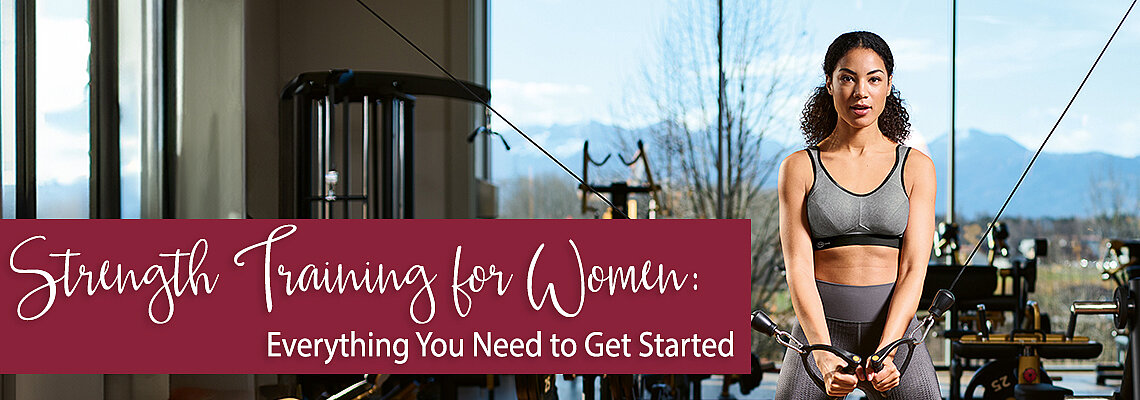
Strength training used to live in a corner of the fitness world that felt intimidating, and, frankly, not very welcoming to women. That’s changed in a big way in recent years. More women nowadays are finding that the true reward of the weight room isn't a certain look: it's the feeling of being capable and energized in everything they do.
If you’re new to strength training and are curious about where to begin, you’re in the right place. This guide will walk you through everything you need to know, from strength training basics to what to wear:
Why Strength Training Is Especially Powerful for Women
Strength training offers a multitude of benefits that go far beyond muscle tone. For women, it can play a major role in bone health, helping to reduce the risk of osteoporosis as we age. It can also boost metabolism, improve one’s posture, support joint health, and make daily activities feel easier to perform. When your body is stronger, you can take on all of life’s daily challenges with ease.
There’s also a mental shift that happens. Learning to lift and seeing yourself progress builds confidence in a way that doing cardio alone often doesn’t. You start trusting your body more and appreciating what it can do, not just how it looks.
Getting Past the Fear of Starting
Walking into a gym for the first time can feel overwhelming. Machines everywhere, unfamiliar movements, and the worry of doing something “wrong” can stop a lot of women before they even start. One thing worth keeping in mind is that every strong person in that room was once a beginner themselves.
Strength training doesn’t require perfection. It requires curiosity, patience, and a willingness to learn. Starting small is not a weakness; it’s smart. Whether you train at home or in a gym, the goal is to build a foundation you can grow from over time.
All About the Basics of Strength Training
At its core, strength training means working your muscles against resistance. That resistance can come from dumbbells, barbells, resistance bands, machines, or even your own body weight. Squats, presses, rows, and deadlifts are examples of fundamental movements that train multiple muscles at once.
As a beginner, focusing on learning proper form is more important than lifting heavy weights on your first go. Good form protects your joints and ensures that the muscles you’re trying to work actually do the job. Progress comes from consistency, not rushing.
Creating a Beginner-Friendly Routine
A simple strength training routine for women usually includes full-body workouts two to three times per week. This allows your muscles to recover while still giving them enough stimulus to grow stronger. Each session might last anywhere from 30 to 45 minutes, making it realistic to fit into a busy schedule.
It should be noted that rest days are just as important as workout days. Muscles grow and repair when you rest, not when you train. Listening to your body and allowing time for recovery helps prevent injury and burnout.
What to Wear for Comfort and Support
In strength training, function should beat fashion: what you wear can actually dictate the quality of your workout. Comfortable, breathable clothing allows you to move freely and focus on your workout instead of constantly adjusting your attire. Shoes with a stable sole are especially helpful when lifting, as they provide balance and support.
One often overlooked yet essential piece of gear is a wireless supportive sports bra. Strength training involves a lot of movement, from squats to presses, and proper support makes these exercises more comfortable.
Our wireless supportive sports bras are the ideal choice for women who lift: they offer structure and stability without the discomfort of underwires. Choose one that fits well, helps you feel secure, and allows for natural movement and breathing.
Nutrition and Recovery for Better Results
Strength training is most effective when it’s supported by proper nutrition. Eating enough protein helps muscles repair and grow, while carbohydrates provide the energy you need to train effectively. You don’t need a perfect diet, but fueling your body regularly makes a noticeable difference in performance and recovery.
Sleep is another critical piece of the puzzle. Muscles recover and hormones balance while you sleep, so consistent rest supports your progress just as much as your workouts do.
Starting strength training shouldn’t be complicated, difficult, or intimidating. You just need to show up, learn as you go, and give yourself permission to be new at something. For women, lifting weights can be a powerful form of self-care that supports both physical and mental well-being.
Just remember: focus on building strength instead of chasing perfection. This will make the process more enjoyable and sustainable. With the right mindset, supportive gear, and a simple plan, strength training can become a lasting and rewarding part of your life.
Comments:
No Comments