
Sport, resolutions & self-love – why real change takes time
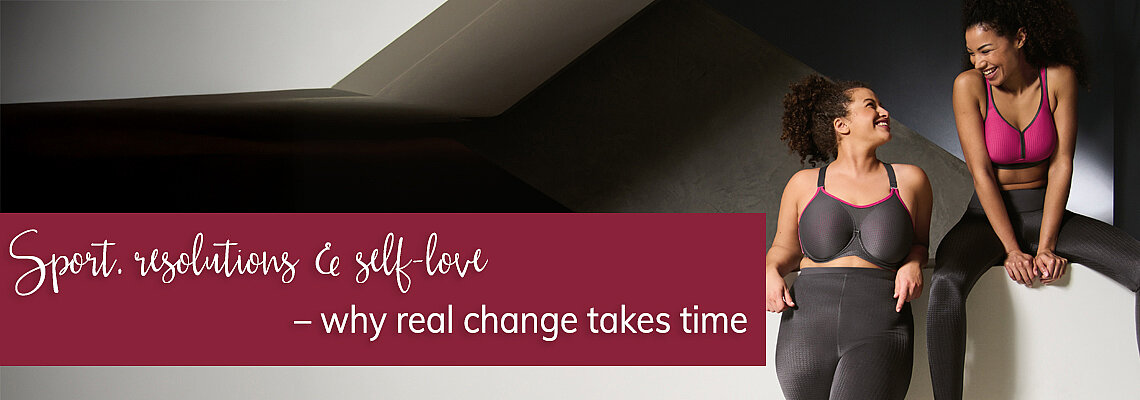
The new year begins for many women with the same thought: Now is the right time to change something. More exercise, more energy, a better body feeling. Everywhere you encounter the promise of "New Year, New Me" – in magazines, on social media, in the gym. The motivation is there, the resolutions are clear. And yet, there is often pressure: This year it has to work. This year you must not give up again.
Many of these resolutions are well-intentioned – and yet they fail after a few weeks. Not because you lack willpower, but because the expectations are too high. Radical training plans, clearly defined goals, and a strict all-or-nothing mindset leave little room for everyday life. When stress is added or energy is lacking, motivation quickly turns into frustration.
Questioning self-optimization – room for a new perspective
So maybe the problem is not with you, but with the way change is often thought of. Instead of constantly wanting to optimize your body, you may also accompany it. Change doesn't have to be loud. It can begin quietly, grow gently, and feel good.
Exercise is not a project you have to push through, but something you give yourself – not out of a sense of duty, but out of self-care.
Everyday Life Instead of a State of Emergency
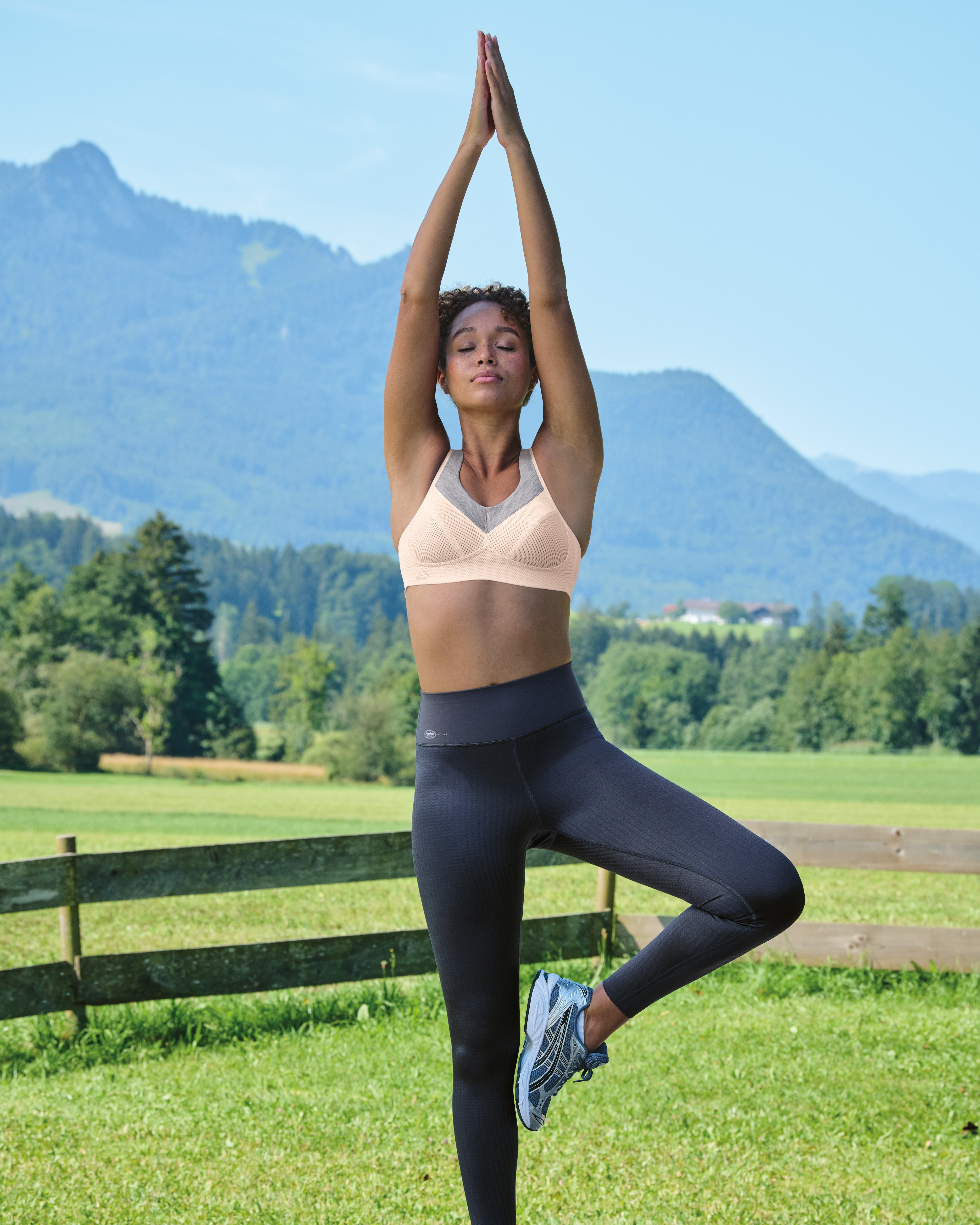
True change rarely arises in a state of emergency. It grows in everyday life – between appointments, family, work, and breaks. A short walk, ten minutes of stretching, conscious breathing, or a small movement at home may seem unspectacular.
And that's exactly why they work. These small steps can be repeated. Regularity is what matters, not intensity.
Steady Wins the Race – The Power of Small Steps
"Steady wins the race" means: less pressure, but more continuity. Better a little every day than everything for a short time. Studies on habit formation show that your brain loves routines – especially when they are simple and feel good.
Ten minutes of movement a day can achieve more in the long run than a perfect training plan that disappears after three weeks.
How Habits Form – Simply Explained
Habits do not form by chance. They usually follow a simple pattern: trigger, action, positive feeling afterward. The trigger can be a time of day, a place, or a specific moment.
The reward is not a measurable result, but a feeling – relaxation, pride, or new energy. The more often you repeat this pattern, the more stable the routine becomes.
Why Consistency is More Important than Motivation
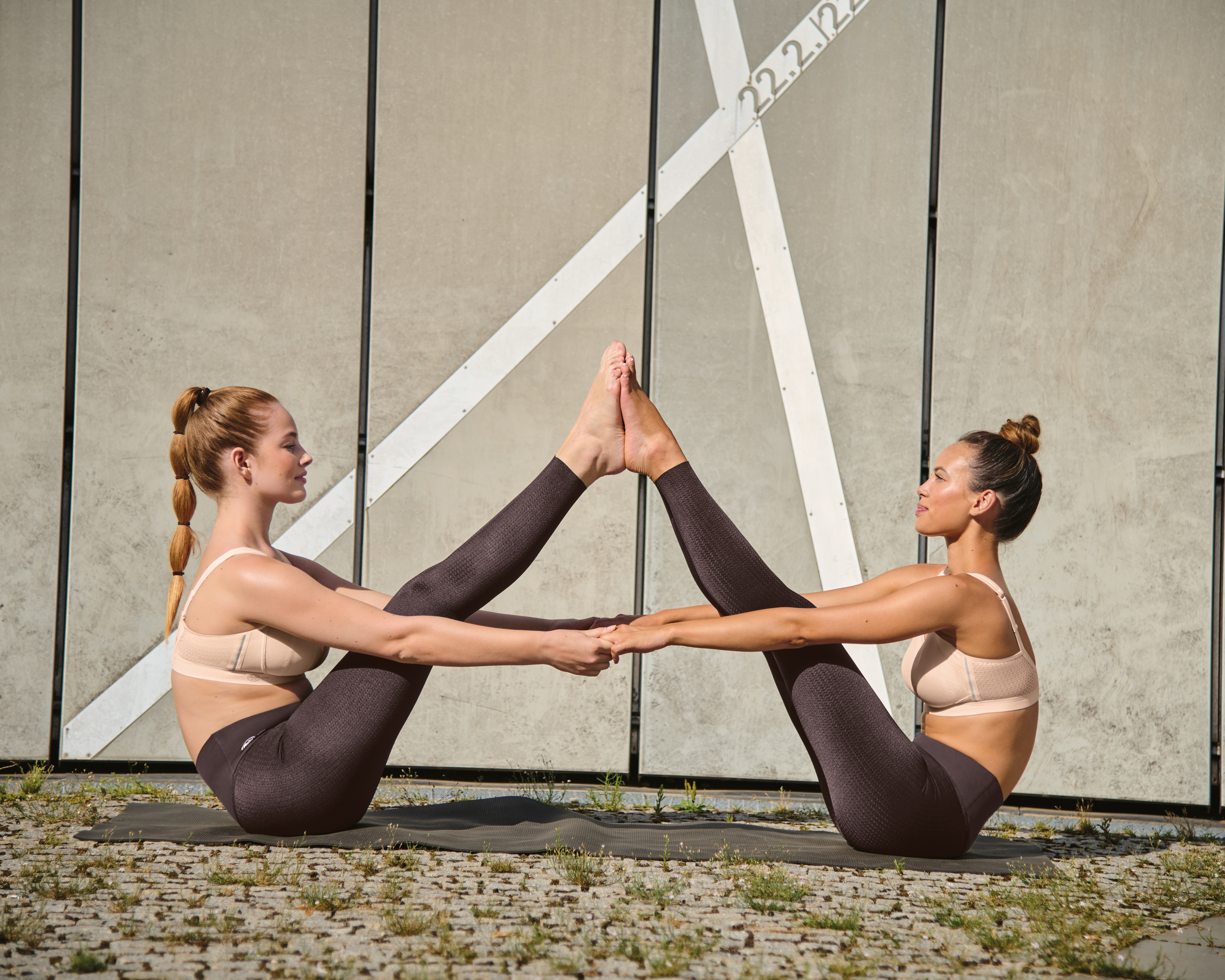
Motivation fluctuates – that's human. Therefore, it doesn't carry you permanently. Consistency, on the other hand, arises from routines that fit your life.
If exercise doesn't cause additional stress but can be easily integrated, it stays. Small, realistic habits don't need a perfect mood, just space in everyday life.
Gently Integrating Routines into Everyday Life
The simpler a new habit is, the more likely it is to stick. Connect exercise with something existing: after getting up, after work, or before going to bed.
If you link exercise to fixed everyday situations, you help your body to stick with it. What matters is not the amount, but that you feel good doing it.
Consideration for Life Phases
Your life progresses in phases. Stress, hormones, pregnancy, or menopause change strength and energy.
Sustainable change adapts to these phases instead of working against them. On some days, powerful movement is good for you, on others gentle – both are right.
Movement Needs Support
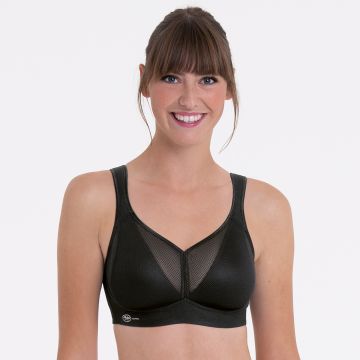
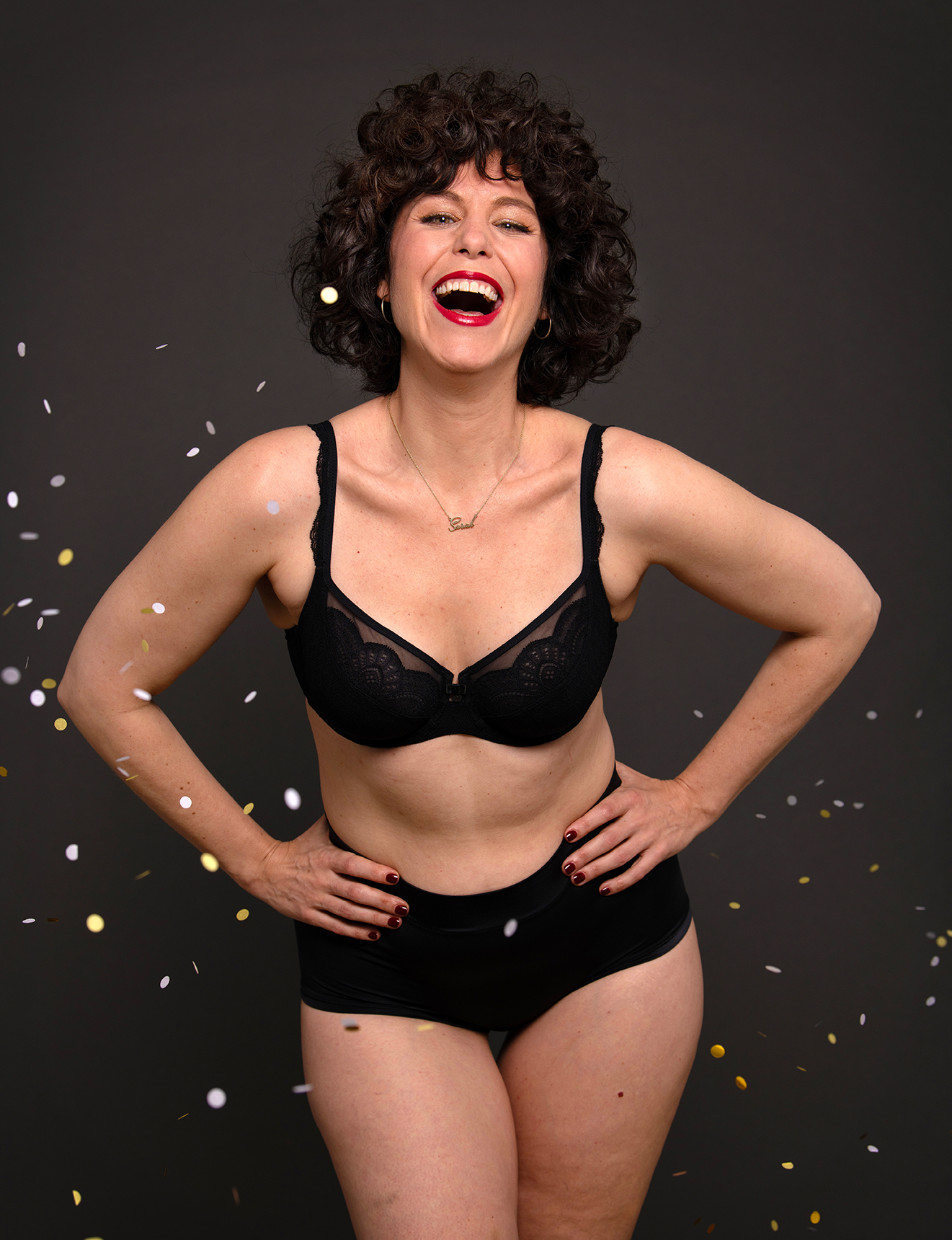
Movement should feel good – and for that, you need support that doesn't constrict. The right clothing accommodates every movement instead of limiting it. It provides support and security without pressing.
Especially the chest needs reliable support during sports. Because no one likes to move when it causes pain. A sports bra ensures that you can move freely – for every breast and every activity.



Self-love instead of self-control
Self-love doesn't mean accepting everything. It means taking good care of yourself. You support your body instead of constantly judging it.
Exercise becomes something that gives you energy and creates connection – not something you have to check off.
No new year without pressure of expectations
The beginning of the year often feels like a fresh start. Everything seems possible – and that's exactly what creates pressure. Social media shows perfect routines and quick successes.
What you rarely see is the everyday life in between. Comparing yourself to others quickly makes you believe you're not doing enough – even though you're on your own path.
Setbacks are part of it
Sustainable change is never straightforward. There are days when exercise is easy, and others when it has no place.
That's not failure. Every day offers you the opportunity to start again – without guilt.
Habits are allowed to change
A routine doesn't have to look the same forever. What is good for you today can change tomorrow.
Sustainable habits are flexible – they grow with your life.
Vision Instead of Bikini Deadline
Perhaps a different vision helps: Don't imagine how your body should look in three months. Imagine how you want to feel in a year.
Proud, connected with your body, and confident in your habits. Change works better when you work with your body – not against it.
Conclusion: Change Requires Patience and Trust
A new year doesn't need big promises. Often, a small decision is enough: to do a little more for yourself today than yesterday.
Real change is not shown in numbers, but in how you feel in your body.

Comments:
No Comments