
Sports Bra Guide 2026: Support and Comfort for Every Activity – up to Cup K
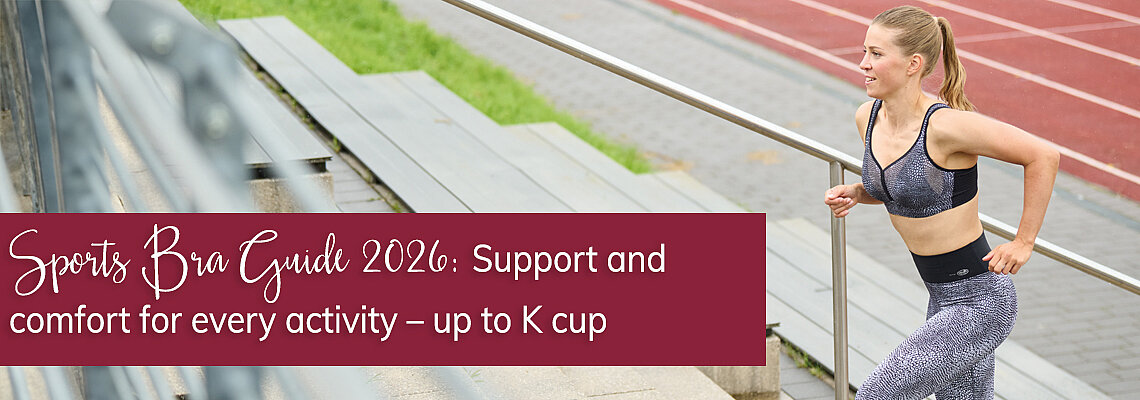
Maybe you feel like moving more again. This can be for more energy, a better body feeling, or simply because it feels good for you. And that's exactly what it's all about in 2026 more than ever. Not "higher, faster, further," but about comfort, safety, and movement that truly feels good in your everyday life. (We have written a separate blog post on this: Sports, Resolutions, and Self-Love) If you wear a larger cup, you probably know the tension between motivation and reality very well. Movement should be liberating – but if the bra doesn't cooperate, anticipation quickly turns into frustration. Unpleasant pulling or constant tugging and adjusting take away your enjoyment and often lead to avoiding certain sports. This is exactly where this guide comes in: A good sports bra is not a detail. It is the foundation for you to move freely – especially for large cups up to cup K.
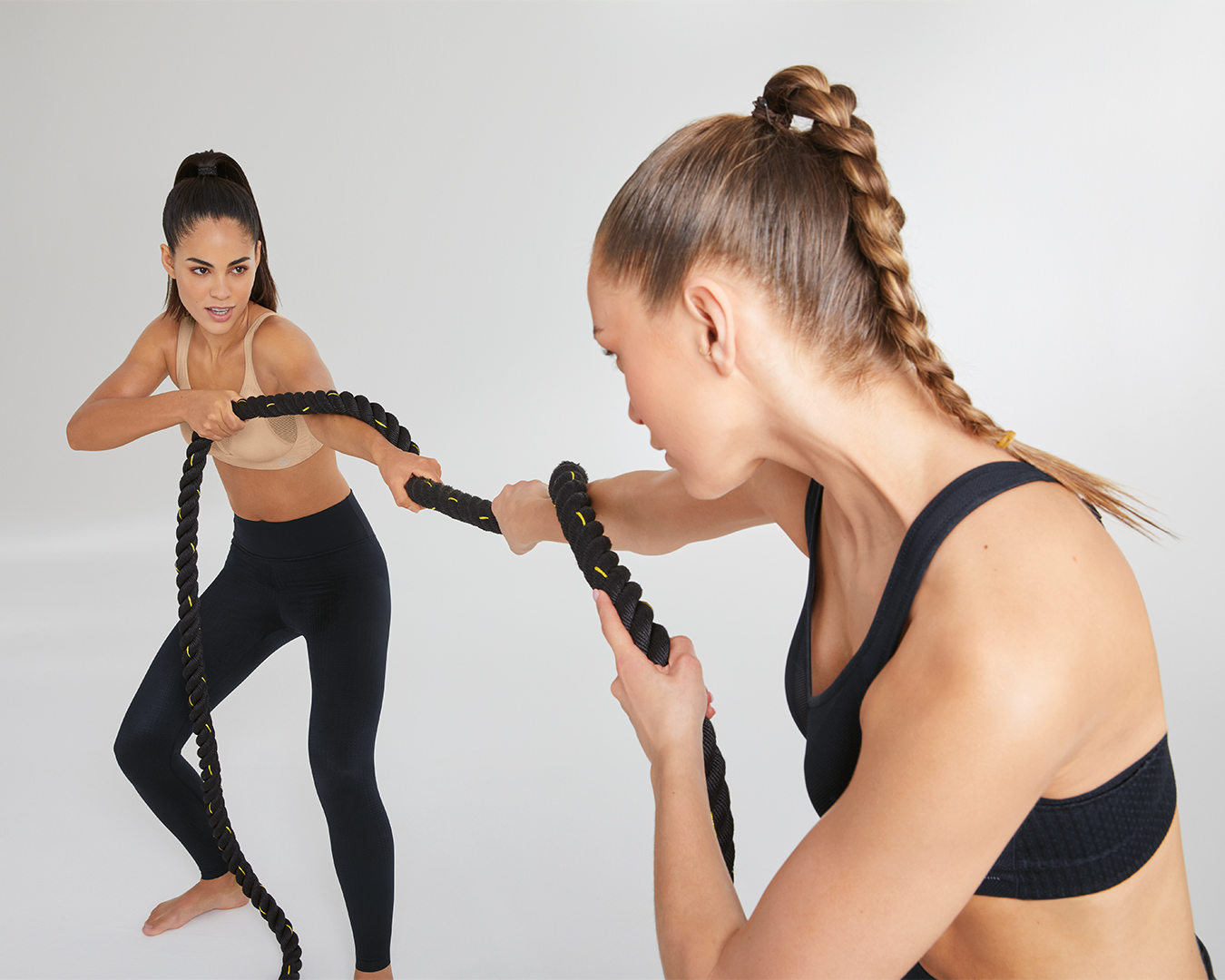
Why a regular bra is not enough for sports
During sports, the breast moves in multiple directions simultaneously: up and down, sideways, and rotating. These movements create tensile forces on the connective tissue, the skin, and the breast itself. A regular bra is not designed for this strain. It was designed for everyday use – not for dynamic movements. With larger cups, these forces increase significantly. The more volume and weight, the higher the strain on the shoulders, neck, and back. Without sufficient support, this can not only be uncomfortable but can also lead to pain or tension in the long term. Many women then avoid certain sports or movement altogether. A well-fitting sports bra is therefore not optional or a nice-to-have, but a necessity. It protects the breast, reduces movement, and ensures that sports become what they should be: something positive for the body and well-being.
Sports Bras up to Cup K – What They Really Need to Achieve
Sports bras for large cups need to do more than models for smaller sizes. It's not about "more pressure," but about intelligent support. The support must be stable without being restrictive. The bust should be securely guided without losing freedom of movement. A good sports bra relieves shoulders, neck, and back, distributes weight evenly, and prevents painful pulling forces. At the same time, it must be comfortable to wear – even for extended periods. Especially for large cups, comfort is not a bonus but crucial for making movement a long-term part of everyday life. The important thing is a change in perspective: It's not about athletic performance or achieving specific goals, but about function and well-being.
Support level explained – which support suits which activity?
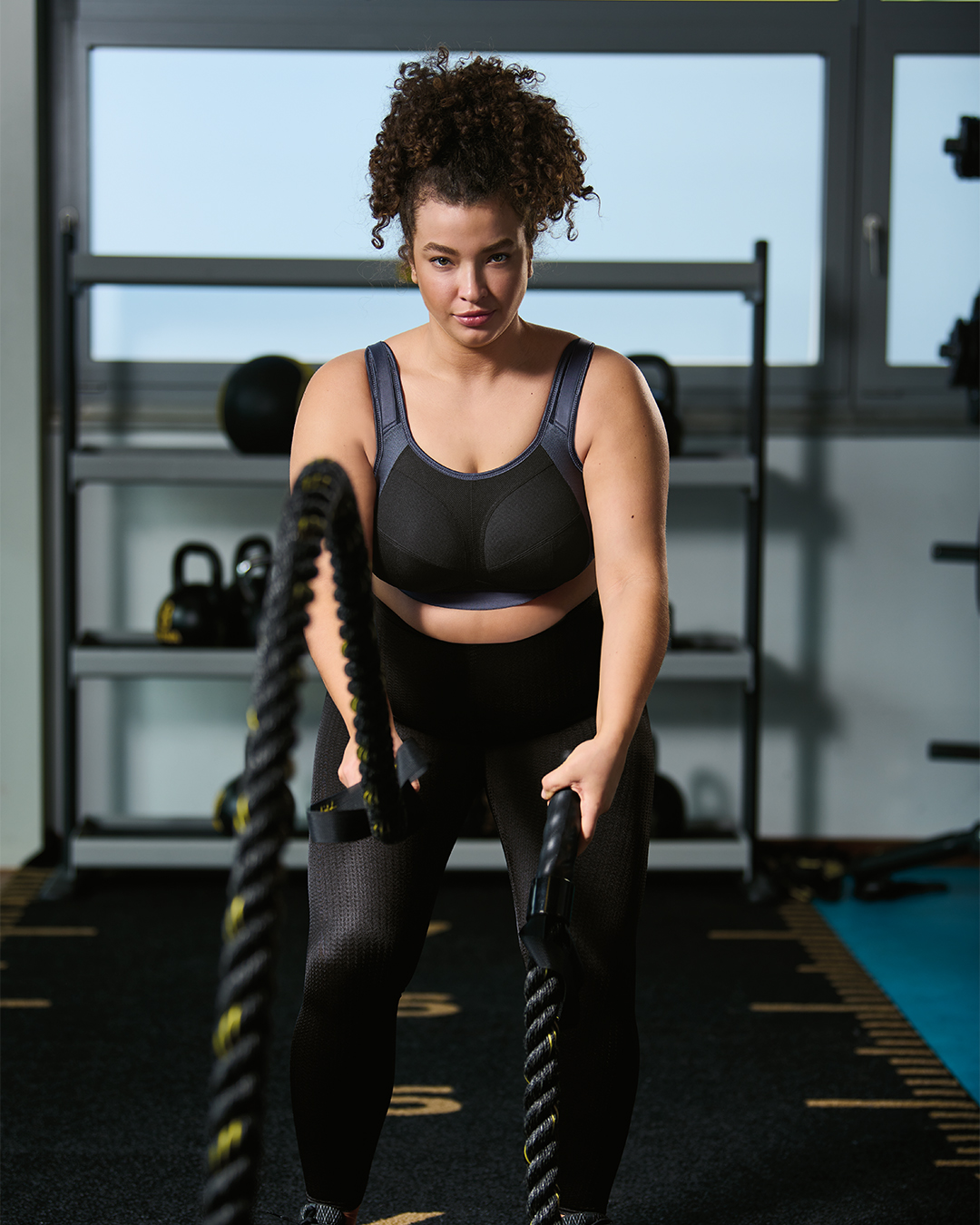
Anita active – with different support levels. These help with orientation but do not replace your own body feeling. For calm activities like yoga, stretching, or a relaxed session, light support is often sufficient. The focus here is on freedom of movement, soft materials, and high wearing comfort. Light Support is ideal for calm sports like yoga or Pilates. Firm Support is ideal for fitness training or gym, walking, and moderate training. These models offer noticeable support but remain flexible and comfortable. Maximum Support is intended for intense sports like running, HIIT, or team sports. Here, breast movement is maximally reduced to ensure stability and safety – especially important for large cups. Important to know: You don't need the same support for every activity. Many women benefit from owning several sports bras – depending on the type of movement and daily feeling.
Fit Decides – How to Recognize a Good Sports Bra
The most important component of a sports bra is the underbust band. It takes on the majority of the support function and should fit snugly but comfortably. If it rides up or feels too loose, support is lacking – no matter how good the cups look. The cups should fully enclose the breast, not wrinkle, and maintain their shape even in motion. Straps must relieve, be adjustable, and sit securely on the shoulders without cutting in or slipping. A stable back and a well-thought-out closure additionally provide security without causing pressure points.
A simple checklist helps:
Does everything stay in place during movement? Do you not have to constantly adjust anything? Does the bra still feel comfortable after a few minutes? Then it fits.
Why a Sports Bra is Not a Promise of Performance
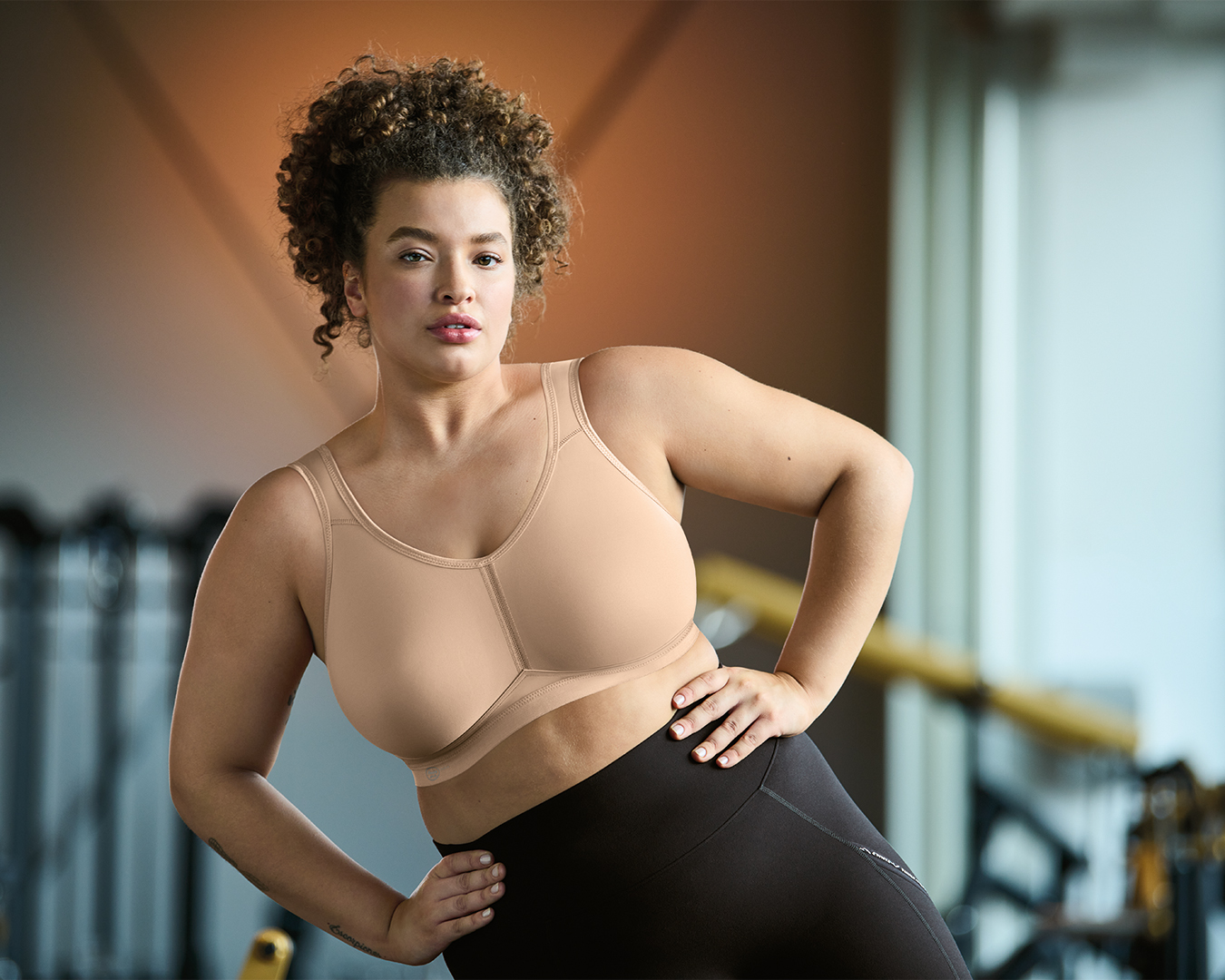
Today, it's less about proving oneself and more about finding one's own rhythm. A sports bra is not a symbol of discipline or ambition. It is a companion that enables movement—whether gentle, intense, or varying. Movement can change, just like the body. On some days, an intense workout feels good, on others, a more relaxed session is better. A good sports bra accommodates all of this without setting expectations.
How to Find Your Sports Bra for 2026
Before deciding on a model, it's worth taking an honest look: What activities do you really do—not theoretically? How often do you move in everyday life?
Do you need maximum support or flexible support? Many women find that a single sports bra cannot cover everything. Different activities require different solutions. In the category of sports bras up to cup K, you will find models that are specifically designed for this.
To the Anita active sports bras
Frequently Asked Questions about Sports Bras for Large Cups (FAQ)
Is one sports bra enough for all sports?
Usually not. Different stresses require different support levels. However, if you only want to spend money on one, it would be advisable to choose one with a high support level.
Should a sports bra fit tighter than a regular bra?
It should fit more firmly without constricting. Support is created through construction, not pressure.
How long does a sports bra really last?
It depends on usage and care. If you wear it several times a week or even daily (and wash it just as often), it is usually worth taking a critical look after about 12–18 months: Does the underbust band still fit stably? Does the cup still provide reliable support? If not, it's time for a replacement.
When should I recheck my size?
In case of weight fluctuations, after longer breaks, or if the bra feels different than before.

Comments:
No Comments
