


How to Prepare for Your First Marathon: a Guide For Women

So, you’ve decided to run your first marathon! Congratulations – just making the choice is an incredible achievement unto itself already. Thinking about it probably brings a mix of excitement and nerves.
Preparing for a marathon is no small task, though, regardless of whether you’re an experienced runner or totally new to the world of long-distance races. With the right plan, mindset, and gear, though, you’ll be ready to cross that finish line feeling empowered and proud.
Here’s how to prepare for your first marathon in a way that sets you up for success while keeping the process enjoyable:
Understand the Commitment
Before you dive headfirst into marathon prep, it’s important to recognize the level of commitment required.
All official marathons involve 26.2 miles of running – a very specific number, and certainly no easy feat. Training usually takes several months, typically between 16-20 weeks, depending on your current fitness level and running experience. During this time, you’ll need to stick to a plan, gradually increasing your mileage and improving your stamina.
To run a marathon, you need to be ready, both mentally and physically, for the journey. You need to carve out time for training, eat well, and get enough rest – these all play a part in preparing for race day. Don’t worry, though; as long as you take small, consistent steps, you should be able to manage the commitment while balancing life’s other responsibilities.
Build a Realistic Training Plan
Find a Beginner-Friendly Program
Getting ready for a marathon doesn’t have to be a solitary experience – you don’t have to go it alone! There are plenty of beginner-friendly marathon training plans available, many of which break the process down into manageable stages.
Typically, these plans include 3-5 running days a week, with one long run each week that gradually increases in distance. Make sure to mix in some shorter, easier runs to help your body recover.
On the subject of rest days, you should know that these are just as important as running days. Your muscles need time to repair and strengthen, so don’t skip those recovery days thinking more is better – trust the plan.
Cross-Training and Strength Building
While running is the main focus, you shouldn’t forget to incorporate cross-training and strength workouts. Cycling, swimming, or yoga can help improve your overall fitness while giving your running muscles a break. Meanwhile, strength training, especially focusing on your core and legs, will help you run more efficiently while also reducing the risk of injury.
Have the Proper Gear
Shoes Are Everything
Let’s start with the most important piece of gear: your running shoes. Choosing the right pair is critical, as poorly fitting or unsupportive shoes can lead to discomfort or injury.
To make sure you get the right shoes, visit a specialty running store. There, you can get fitted by professionals who can analyze your gait and recommend shoes that provide the right balance of cushioning and support.
Your shoes will naturally experience a lot of wear and tear throughout training, which is why it’s important to keep an eye on them. As a general rule, running shoes should be replaced every 300-500 miles.
Don’t Forget the Right Clothing
Running is a sweaty business, and you can expect to sweat buckets while training and on race day. That’s why it’s important to choose lightweight, moisture-wicking fabrics that will keep you dry and comfortable. Avoid cotton, which tends to hold onto sweat and cause chafing. Instead, opt for technical fabrics designed for runners.

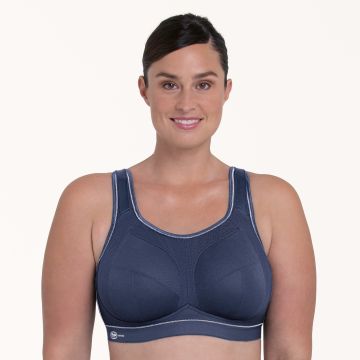
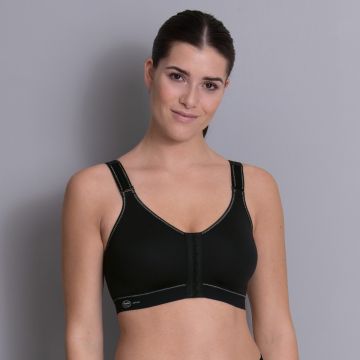
You’ll also want to add comfortable, supportive, and adjustable sports bras to your running wardrobe.
Our adjustable sports bras here at Anita Active are an excellent choice: in addition to functional features like sewn-in pads in some bras or seamless cups in others, they all have the ability to adjust them as needed for maximum comfort and support. They’re also all made out of fabrics that help manage sweat effectively and will transport moisture away from your body to keep you cool and comfortable.
Hydration Gear
Staying hydrated is crucial during training, especially on long runs. A handheld water bottle, hydration belt, or backpack will keep you from getting dehydrated mid-run. Test out different options during your training to find what works best for you.
Nutrition and Hydration Matter
Fueling Your Runs
Eating the right foods before, during, and after your runs can make a big difference in your energy levels and recovery.
Before long runs, focus on complex carbohydrates like oatmeal, sweet potatoes, or whole grain bread to give your muscles the fuel they need. During your runs, especially those lasting longer than an hour, you’ll want to replenish your energy with quick-digesting carbs like energy gels, chews, or sports drinks.
After each run, you’ll want to help your muscles recover. You can do so by eating snacks that include both carbs and protein, like bananas and peanut butter, yogurt with fruit, or a protein shake.
Hydration Basics
Dehydration can be a serious issue during marathon training, so it’s important to drink plenty of water throughout the day, not just while running. As your mileage increases, you may need to supplement with electrolyte drinks to replace sodium and other minerals lost through sweat.
Pay attention to how your body feels during and after runs – if you’re feeling lightheaded, overly fatigued, or experiencing muscle cramps, you may need to adjust your hydration routine.
Training for a marathon is a marathon in itself, and it’s easy to feel overwhelmed at times. With the tips above, though, you should be ready to face this challenge with confidence. Good luck, and enjoy every step!




Anita active
Sizes: 30-42
Cups: AA-H
Comments:
No Comments