History
Today
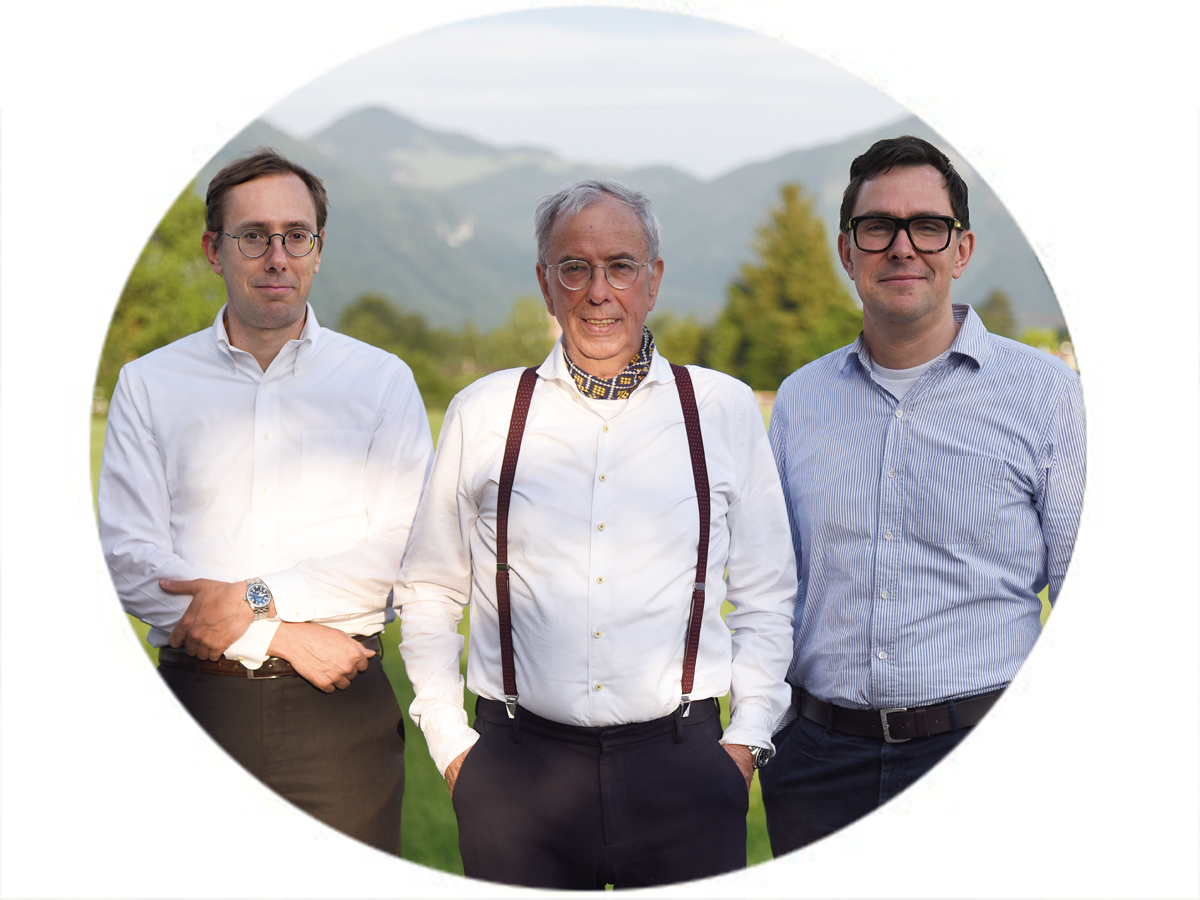
Today, ANITA is an internationally successful family business in its fifth generation. With around 1,600 employees, over 20 subsidiaries, and activities in more than 60 countries, ANITA is one of the world's leading specialists in lingerie and swimwear.
The five product lines ROSA FAIA, Anita since 1886, Anita active, Anita maternity, and Anita care cover different needs – from functional sportswear to fashionable lingerie to solutions for special life situations such as pregnancy or the time after breast surgery.
ANITA has always stood for fit expertise, quality, and the goal of optimally supporting women in every phase of life – with products that combine comfort, function, and aesthetics.
2019 - today
ANITA continues to evolve into a globally operating family business in its fifth generation. With around 1,600 employees, over 20 subsidiaries, and activities in more than 60 countries, the company is internationally well-positioned.
The five product lines ROSA FAIA, Anita since 1886, Anita active, Anita maternity, and Anita care offer solutions for a wide range of needs – from functional sportswear to specialized products for special life situations.
The focus remains on fit expertise, quality, and the goal of optimally supporting women in every phase of life.

2000 - 2018
Founding of sales subsidiaries in the United States, Portugal, Belgium, Spain and Poland.
New construction of our global logistics centre in Kufstein and the start of Anita's ‘Asian investments’.
Founding of own manufacturing companies in Thailand and Myanmar.
Acquisition of our importers in Italy and Canada, and founding of Anita Group companies.
New building for the company's head office in Brannenburg.
This marks the beginning of ANITA’s consistent internationalization and its expansion into a global corporate group.

1990 - 2000
Georg Weber-Unger becomes CEO and the internationalisation of the company begins.
Founding of sales subsidiaries in France, the UK, Switzerland, Holland and construction of own production facilities in Austria, the Czech Republic and Portugal.
This development establishes ANITA as a globally positioned corporate group with its own production and distribution across multiple continents.
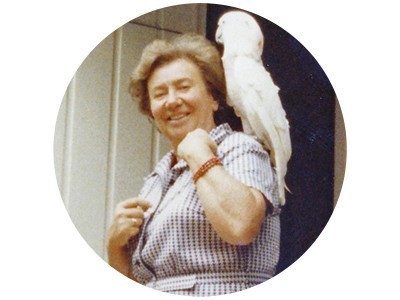
1960 - 1990
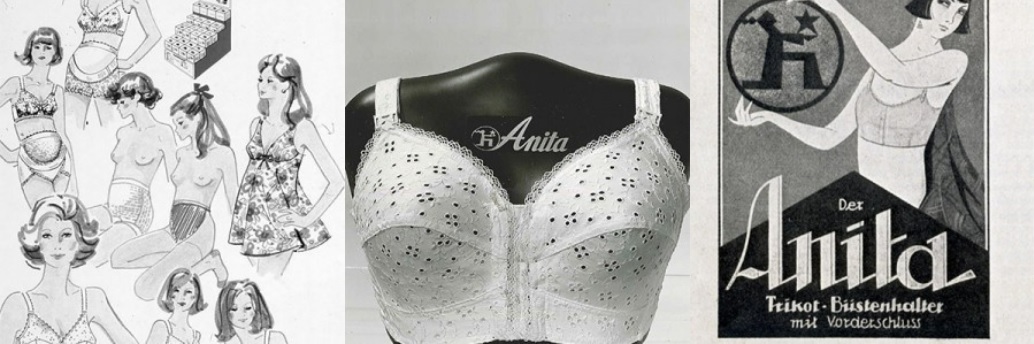
Dr. Christine Weber-Unger was a very clever businesswoman with an excellent nose for new and promising niche markets.
She recognised the potential of lingerie and swimwear aimed specifically at the special requirements of women, and began developing models for pregnancy and nursing, as well as products for women after a mastectomy.
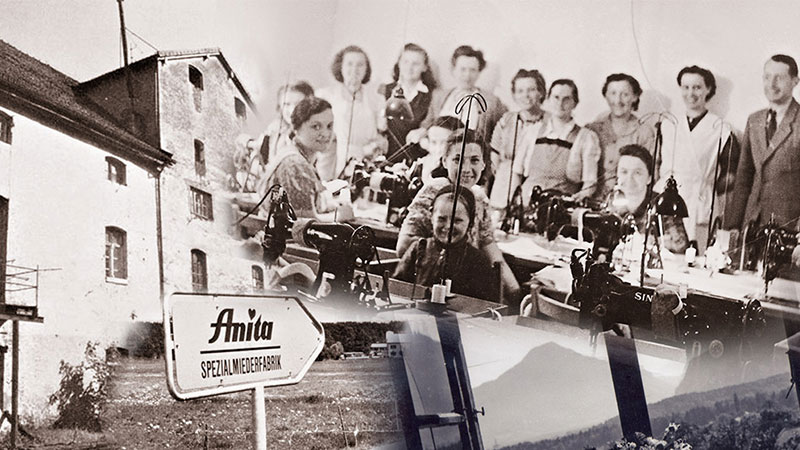
1949
A New Start in the West
Dr. Walter Helbig's daughter Christine moved to Upper Bavaria in 1949. Working with her husband, Dr. Heinrich Weber-Unger, she founded Anita Dr. Helbig GmbH in the idyllic town of Brannenburg, where she continued the underwear traditions of Dresden.
“The seed capital consisted of salvaged machinery and cut patterns”, explains CEO Georg Weber-Unger.
The very first production facility was located at the old castle brewery in Brannenburg, where the sewing machines were set up.
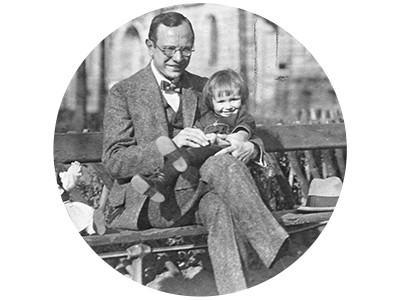
1945 / 1946
A New Start in the East
After the bombardment and complete destruction of the production facilities in Dresden, a new beginning came after the war, in what was now East Germany under Soviet occupation.
During those years, Russia was the most important raw materials supplier and, at the same time, our largest customer for corset products. In 1971, the manufacturing facilities in Dresden were confiscated by the East German communist regime and became state-owned.
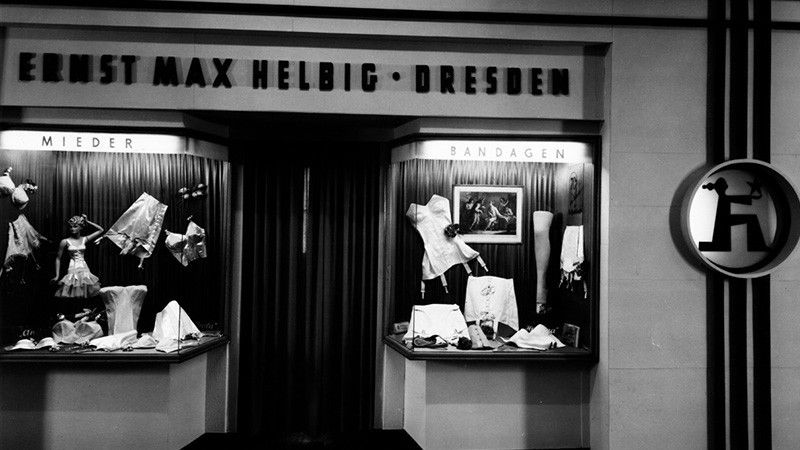
1930
Anita Dr. Helbig GmbH, with 300 seamstresses working in Dresden
and an annual turnover of 17 million Reichsmark, develops into
a key manufacturer of corsets
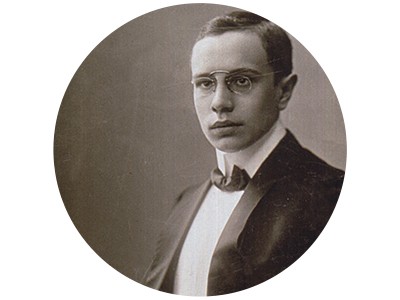
1917
Anita is taken over in 1917
by Dr. Walter Helbig,
the grandfather of the current
owner, Georg Weber-Unger
.
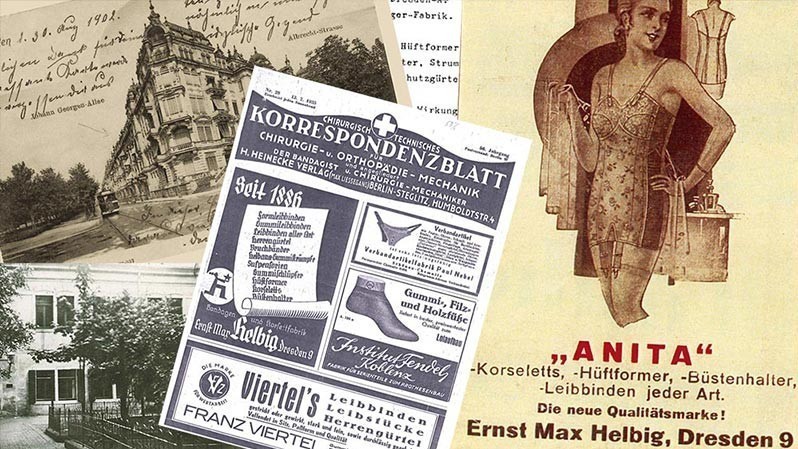
1910
The very first trusses and hernia binders
are developed and manufactured here
1900
The first Anita corset goes into production
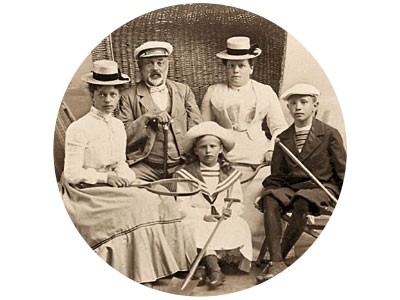
1886
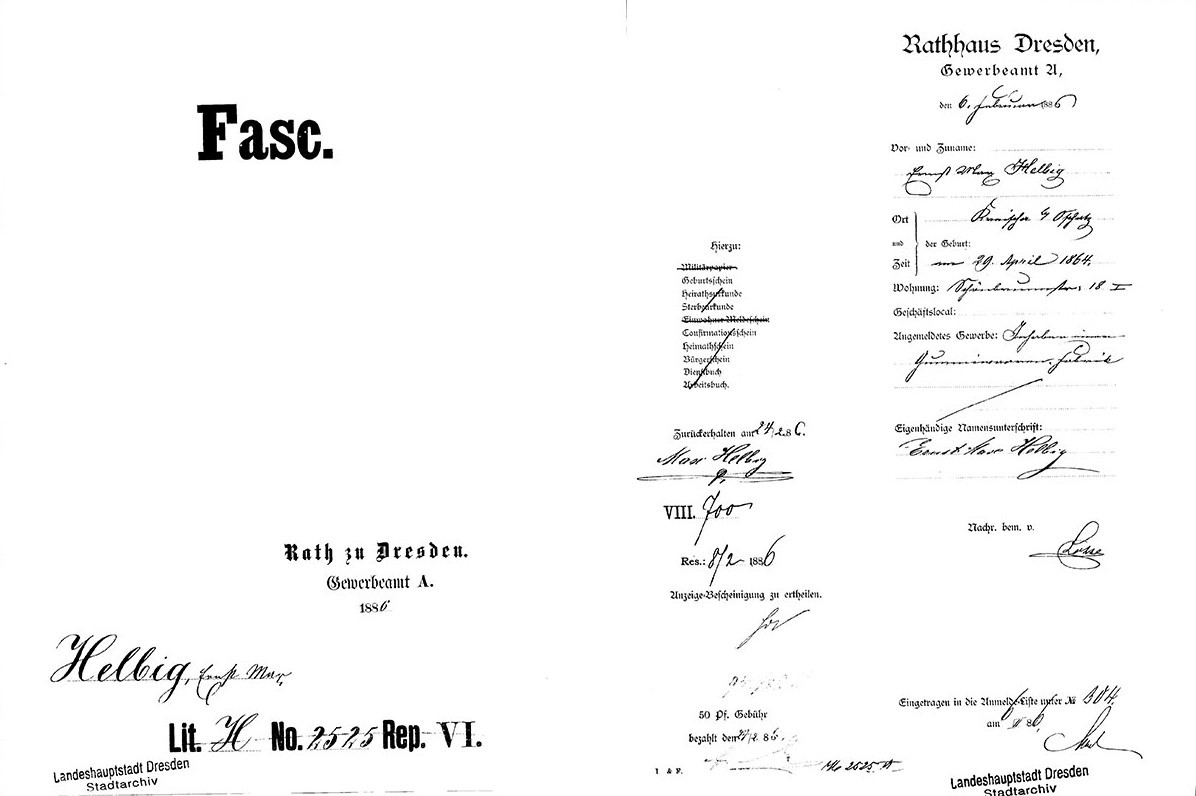
The economy was thriving when Ernst Max Helbig laid the foundations for our company in Dresden – the industry was booming, and companies and inventions cropped up everywhere.
Ernst Max Helbig dedicated his company to the production of suspenders and products for special medical requirements, but soon extended the portfolio to include garters, corsets, girdles – and the very first bras.
However, the models designed back then had very little resemblance to lingerie as we know it today. Women's underwear at the end of the 19th century was designed to flatten female curves, create graceful waists and keep the wearer warm. Women were actually lugging around something in the area of five pounds worth of underwear alone!
In the years that followed, Anita made a name for itself on the German market as a leading provider of specialist shapewear. The company employed 300 seamstresses and achieved an annual turnover of 17 million Reichsmark.
.