
You are probably not a DD – why almost every woman wears the wrong bra size.
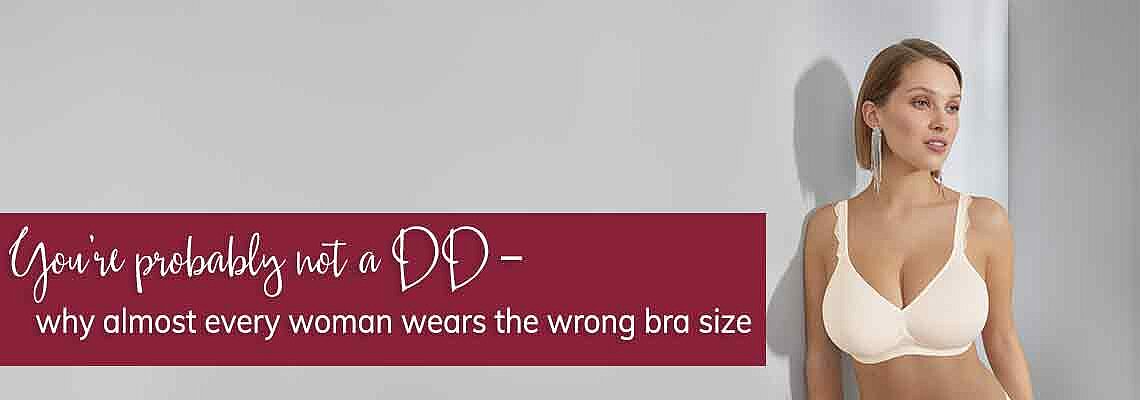
"I wear 75DD."
If this size was mentioned to you at some point, the likelihood is high that it is not your real size.
This sounds provocative. But this is exactly where a misunderstanding begins that has persisted for decades: DD is considered "large." As an upper limit. As the maximum that normal stores carry. And everything above that seems like an exception.
However, DD is not a description of a large bust. It is just a ratio and describes the bust measurement in relation to the underbust measurement.
And it is precisely this ratio that causes an incredible number of women to wear the wrong bra size for years. The result: pressure marks, slipping straps, and the feeling that their body is "difficult."
Time to dispel this myth.
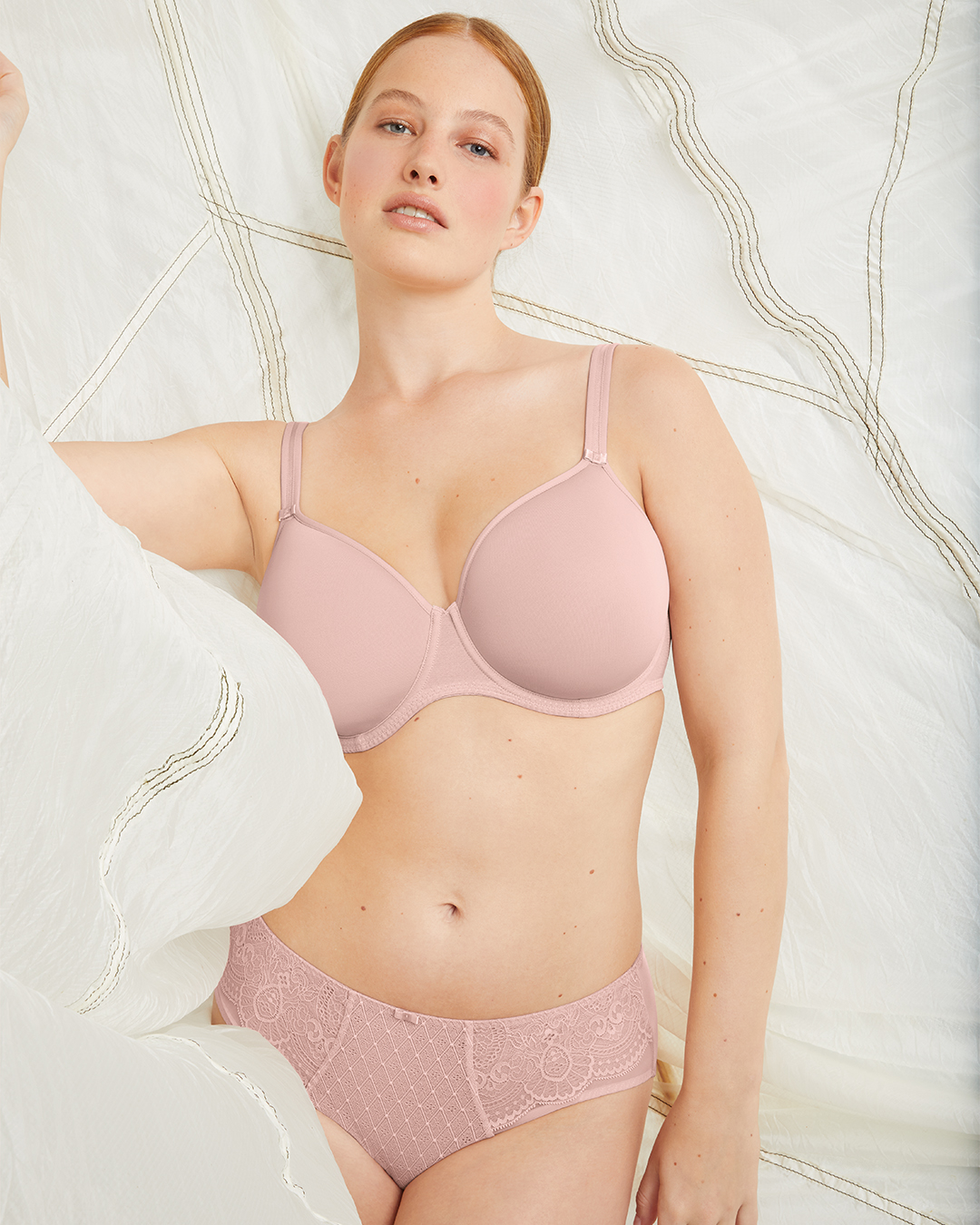
The Myth: DD Means "Large Breasts"
A cup size does not describe how "large" a breast is. It merely describes the difference between the underbust measurement and the bust measurement.
This means: A 70DD is something completely different from an 85DD. The letters look the same – the proportions do not.
Many women were at some point sorted into an A–DD size range because the store's selection did not go further. If the underbust band actually needs to be tighter, it is often chosen to be wider – and the cup smaller. Or vice versa.
The result: A woman wears a size that fits on paper but never really works on the body.
And so the thought arises: "My breasts are just difficult."
But they are not.
Why so many women wear the wrong size
It often starts innocently. You get measured once. Or you reach for the size you have "always" worn.
But the body changes:
- Weight fluctuations
- Hormonal phases
- Pregnancy
- Breastfeeding
- Menopause
- Exercise
All of this affects breast volume and tissue.
At the same time, many bras give way over time. The underbust band stretches out. The cups lose shape. And you get used to the feeling.
Many women therefore wear a band that is too loose and a cup that is too small. Many both!
The underbust band rides up. The straps take over the support function. The breast is not fully enclosed.
And instead of questioning the size, you think: "Bras are just uncomfortable."
No. A well-fitting bra is not uncomfortable.
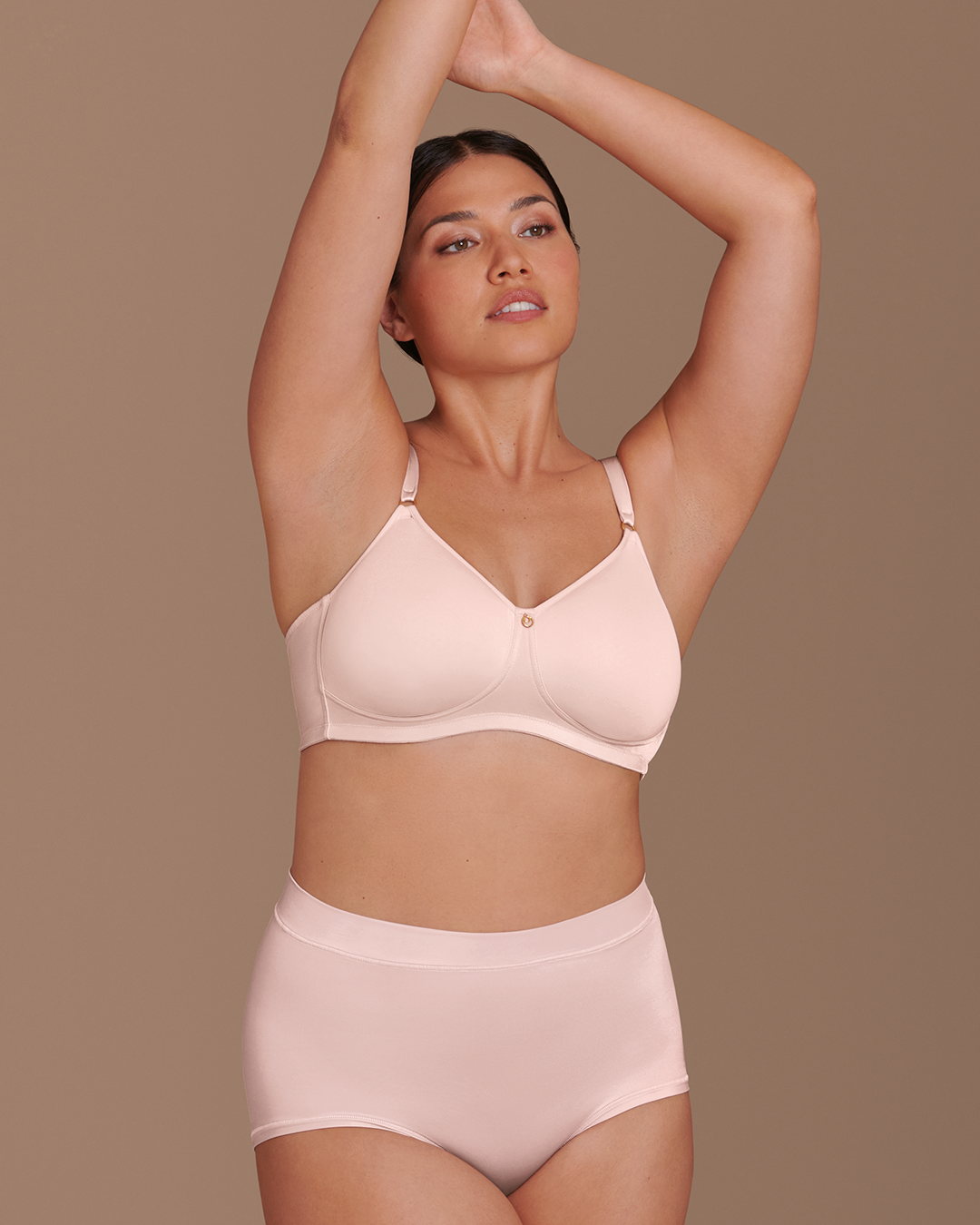
How to Tell if Your Bra Size is Wrong
Your body sends you clear signals. You just need to take them seriously.
Typical signs:
- The underband rides up at the back.
- You always wear the bra on the tightest hook – and it's still loose.
- The breast spills over the top or sides of the cup.
- There are wrinkles or gaps between the breast and the cup.
- The straps dig in.
- You have to constantly adjust the bra throughout the day.
A bra should stabilize, not need to be corrected.
If you constantly feel constricted or unstable, it's not your body – it's the size.
What DD Really Means
This is where it gets important: A cup is not an absolute size. It is a ratio.
Simply put: The cup is determined by the difference between the underbust measurement and the bust measurement.
This also means: If your underbust measurement changes, the cup designation can automatically change – even if your breast volume remains the same.
That's why you might actually need to wear a 75F or 70G instead of an 80DD. Or vice versa.
At first, this sounds bigger. But it often feels significantly more stable and lighter.
Because the underbust band then provides the support – not the straps.
And that's exactly what's crucial: Around 80% of the support function comes from the underbust band, not the straps.
Why the Right Size is More Than Just Optics
It's not just about how a bra looks.
It's about how you feel.
A well-fitting bra:
- relieves shoulders and neck
- stabilizes the tissue
- prevents chafing
- improves posture
- provides a better body feeling
This is especially crucial for larger cups. When the breast "works along" with every movement, tension arises in the back. During sports, even pain.
Many women avoid movement because they don't feel adequately supported.
The solution often lies not in less movement – but in the right support.
The Influence of Assortments
An often overlooked point: Not every store carries all sizes.
If the range ends at DD, the customer is often "fitted" into one of these sizes.
This is not ill will. It is assortment.
But your body does not adapt to stock levels.
That's why it's worth getting professional advice in a specialty store with a wide size range. Or carefully check your measurements again with our ANITA size calculator.
Not with pressure. But with curiosity.
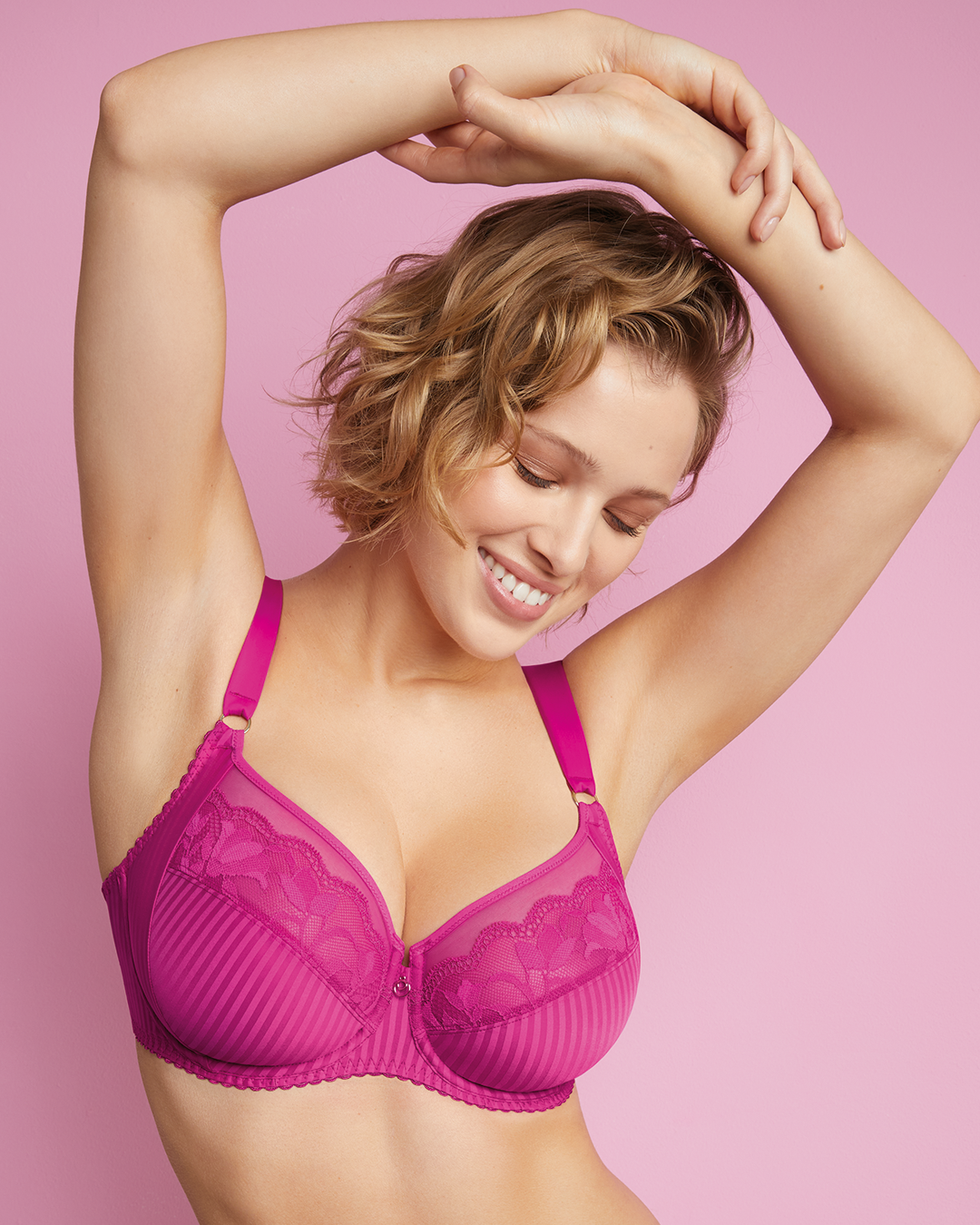
How to Find Your Actual Size
The first step is always: measure again.
Don't estimate. Don't remember. Not "approximately".
Measure:
- Your underbust measurement – snugly, horizontally.
- Your bust measurement – at the fullest part of the bust, loosely.
These two values form the basis for your current size. For this, it's best to use our size calculator.
It's important that your underbust band sits firmly without cutting in. It should not move up at the back.
The cups should fully enclose your bust – without pressure and without gaps.
If you're unsure, use our size calculator or get professional advice.
Your body may have changed. That's normal.
Frequently Asked Questions about Bra Size (FAQ)
Is DD a large bra size?
DD only seems "large" because many ranges end at DD. In fact, DD is not an absolute breast size, but a ratio between underbust width and bust circumference. Therefore, DD can vary greatly depending on the underbust width.
Does a bra band really need to fit snugly?
Yes. The underbust band is the most important support. If it sits too loosely and rides up in the back, the straps take on too much – this often leads to pressure points and unstable support.
Why does my breast spill over the top or sides of the cup?
This is usually a sign that the cup is too small or the cut does not fit optimally. A well-fitting cup completely encloses the breast – without pressure and without gaps.
How often should I check my bra size?
Whenever your body changes (e.g., weight, hormonal phases, pregnancy, breastfeeding, menopause) or when you notice that your bra no longer fits stably. A stretched-out underbust band can also be a reason.
Can I determine my size myself?
Yes. Measure your underbust width and bust circumference anew and then use the ANITA size calculator. If you are between two sizes or unsure, a consultation in a specialty store can also help.
Why is the right size particularly important during sports?
Fit problems are exacerbated during sports: A too wide underbust band provides too little stability, a too small cup can press. A well-fitting sports bra provides secure support – as a prerequisite for pain-free movement.
Large cups are not an exception
Many women think that anything beyond DD is "extreme."
In reality, many bodies naturally fall into the E, F, or G range – this is not unusual. It's statistics.
The industry has long offered a limited size range. Bodies have always been more diverse.
And that's exactly why it's important to be open about sizes.
A larger letter doesn't mean "more." It just means: better fitting.
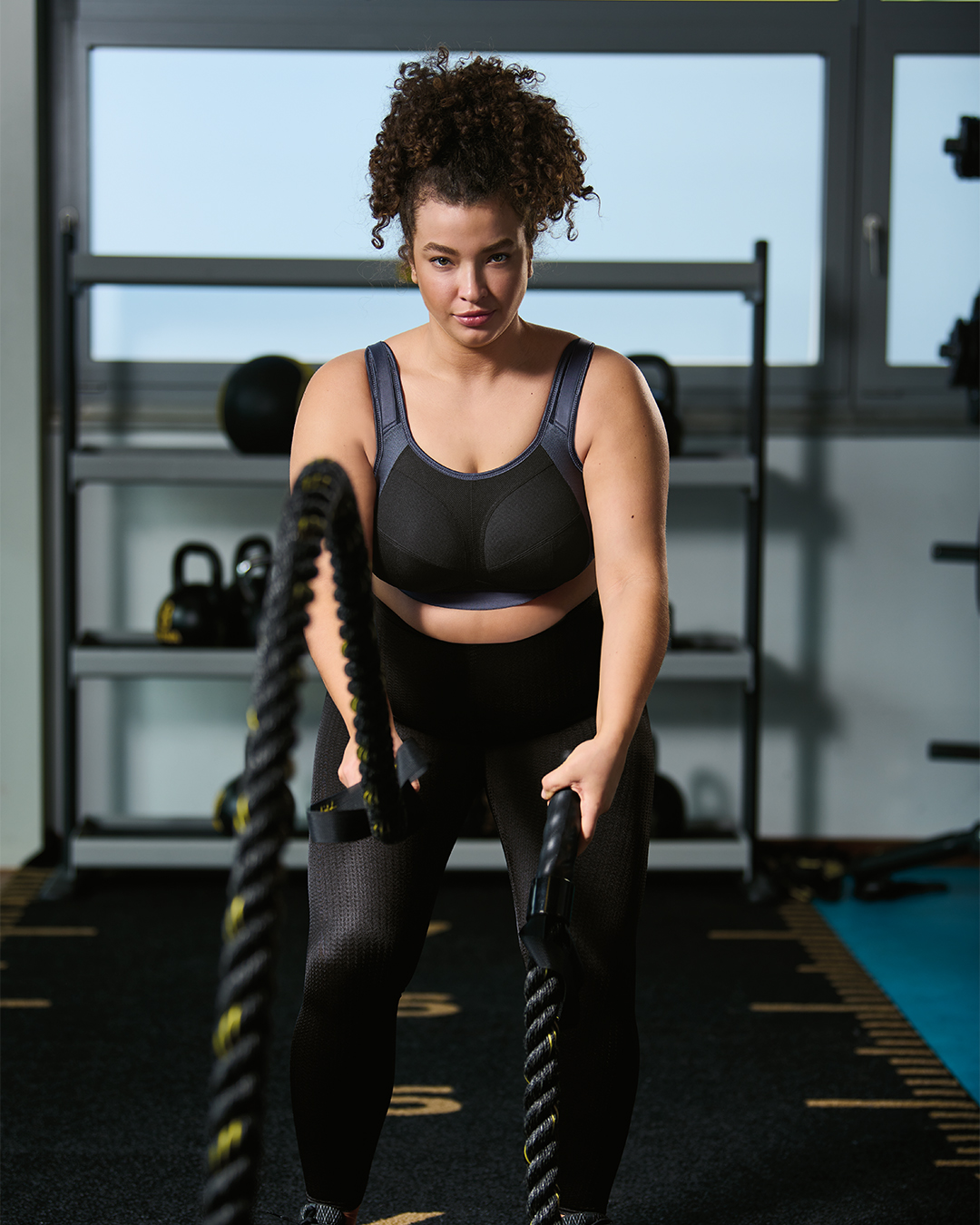
Especially Important in Sports
Every fit issue is amplified during sports.
If the underbust band is too loose, stability is lacking. If the cup is too small, pressure arises. If the straps bear the main load, neck pain occurs.
A sports bra must securely support the breast, not just cover it.
Especially for larger cups, reliable support is crucial—not as a promise of performance, but as a prerequisite for pain-free movement.
No one likes to train when there is noticeable tension, pressure, or instability.
A well-fitting sports bra gives you freedom. Not ambition.
Your Body Is Not the Problem
Perhaps this is the most important point of this article:
You are not "too big." You are not "complicated." And you are certainly not wrong.
If a bra doesn't fit, it's almost never because of your breast.
It's due to the size, the cut, or the model.
The right size often feels surprisingly different: more stable, calmer, more secure.
Sometimes it just takes a small change in perspective – and a new measuring tape.
Conclusion: The Right Size Changes More Than You Think
Maybe you're not a DD.
Maybe that was just the best option in a limited range.
Your actual size is not a judgment. It is information.
And this information can make the difference between "bras are just uncomfortable" and "I hardly feel it."
A bra shouldn't occupy you. It should accompany you.
If your bra restricts you more than it supports you, it might be time for a new look at your size.
Not because you need to change. But because your bra can adapt to you.

Comments:
No Comments
